
Did you know that 82% of small businesses fail due to poor cash flow management and lack of proper financial planning? (Source: U.S. Bank, 2023). This staggering statistic highlights the critical role that effective budgeting plays in the success and longevity of a business. Without a well-thought-out budget, even the most promising businesses can struggle to navigate financial challenges and seize growth opportunities.
As we approach 2025, crafting a detailed and realistic business budget becomes more crucial than ever. A solid budget not only helps you track and manage your finances but also sets a clear path toward achieving your financial goals and planning for sustainable growth. In this guide, we’ll walk you through the essential steps for creating a successful business budget for the upcoming year. You’ll learn how to set realistic goals, project your revenue and expenses, and plan for growth. Plus, we’ll provide you with practical tools and templates tailored to various business types to help you get started on the right foot.
1. Understanding the Importance of a Business Budget
Why Budgeting Matters
A business budget serves as a financial roadmap, guiding your company through the complexities of financial management. It helps you allocate resources efficiently, track income and expenses, and make informed decisions that drive your business forward. Without a budget, businesses often struggle with financial uncertainty, making it difficult to plan for growth, manage cash flow, and stay on top of operational costs.
Budgeting is not just about keeping track of numbers—it’s a strategic tool that aligns your financial activities with your long-term business goals. By setting clear financial targets and monitoring your progress, you can make proactive adjustments to stay on course. For instance, if your budget reveals that certain expenses are higher than anticipated, you can take corrective actions before these issues impact your profitability.
Benefits
Implementing a robust budget offers numerous benefits that contribute to overall business success:
- Improved Cash Flow: A well-structured budget helps you manage cash flow more effectively by predicting and planning for periods of low income or unexpected expenses. This foresight allows you to maintain adequate cash reserves and avoid liquidity crises.
- Better Financial Planning: With a budget in place, you gain a clearer understanding of your financial position, enabling you to make strategic decisions with confidence. This includes setting realistic sales targets, optimizing spending, and planning for future investments.
- Enhanced Ability to Secure Funding: Investors and lenders look for businesses with a solid financial plan. A detailed budget demonstrates that you have a strategic approach to managing your finances, which can increase your credibility and improve your chances of securing funding.
In essence, a business budget is a powerful tool that not only helps you keep track of your finances but also supports strategic planning and decision-making, ultimately paving the way for sustained growth and success.
2. Steps to Create a Successful Business Budget for 2025
Analyze Past Performance
To lay the foundation for your 2025 budget, start by reviewing your past budgets and financial statements. This analysis helps you identify trends, assess the accuracy of previous projections, and pinpoint areas needing improvement. Examine key metrics such as revenue growth, expense categories, and profit margins to understand what worked well and what didn’t. For example, if you notice that marketing expenses consistently exceeded the budget, it may indicate a need for better planning or adjustment in your marketing strategy. By learning from past performance, you can create a more accurate and effective budget for the coming year.
Set Realistic Goals
Once you have a clear understanding of your past financial performance, it’s time to set realistic financial goals for 2025. Base these goals on historical data and current market conditions. Consider factors like industry trends, economic forecasts, and your business’s growth trajectory. For instance, if your business saw a 10% increase in revenue last year and market conditions suggest a similar growth rate, set a target that reflects this trend while accounting for any planned expansions or new product launches. Setting achievable goals helps ensure that your budget aligns with your overall business strategy and keeps you motivated throughout the year.
Estimate Revenue and Expenses
Projecting revenue and expenses is a crucial step in budgeting for 2025. Start by analyzing your revenue streams and estimating future sales based on historical performance and market conditions. Account for seasonal fluctuations that might impact your income, such as increased sales during holiday periods or lower activity in the off-season. Similarly, forecast your expenses, including fixed costs like rent and variable costs like materials or inventory. Incorporate anticipated changes, such as planned hires or new equipment investments, to get a comprehensive view of your financial needs. Accurate revenue and expense projections help ensure that your budget is realistic and supports your business goals.
Plan for Contingencies
Even the most carefully crafted budget can be disrupted by unexpected events. To safeguard against financial uncertainty, set aside funds for contingencies. This reserve can cover unforeseen expenses like equipment repairs, sudden market shifts, or economic downturns. A good rule of thumb is to allocate a percentage of your budget—typically around 5-10%—for contingency planning. By preparing for potential risks, you create a financial cushion that helps you navigate challenges without derailing your business’s progress.
By following these steps—analyzing past performance, setting realistic goals, estimating revenue and expenses, and planning for contingencies—you’ll be well-equipped to create a robust budget that supports your business’s success in 2025.
3. Tools and Templates for Different Business Types
General Business Budget Template
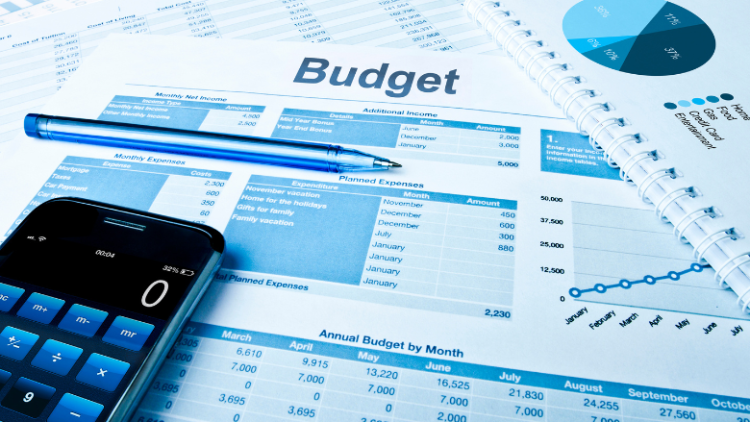
A versatile business budget template is a great starting point for any business type. This basic template includes sections for tracking income, fixed and variable expenses, and overall financial goals. It allows businesses to input their revenue streams, categorize expenses, and monitor their budget against actual performance. The template typically features columns for budgeted amounts, actual amounts, and variances, making it easy to see where adjustments may be needed. You can download a general business budget template from various online resources, such as Microsoft Office Templates or Smartsheet.
Templates for Specific Business Types
- Service-Based Businesses: For service-based businesses, focus on a template that tracks project costs and client billing. This template should include sections for project-specific expenses, client invoices, and payments received. It helps service providers manage their project budgets, monitor profitability, and ensure accurate billing. You can find specialized templates for service-based businesses on Template.net or ExcelTemplates.net.
- Retail Businesses: Retail businesses require a budget template that emphasizes inventory management and sales forecasting. This template should include categories for tracking inventory levels, cost of goods sold, and sales projections. Effective inventory management and sales forecasting are critical for maintaining stock levels and optimizing profit margins. Templates designed for retail businesses can be found on platforms like Shopify or Wave.
- Freelancers/Solopreneurs: Freelancers and solopreneurs often deal with irregular income and varied expenses. A budget template tailored for this type of business should include sections for tracking irregular income, managing variable expenses, and setting aside funds for taxes. It helps individuals maintain financial stability despite fluctuating income. You can access templates for freelancers on Google Sheets Templates or QuickBooks.
Where to Find Tools
To streamline your budgeting process, consider using software or online tools designed for financial management:
- QuickBooks: Known for its comprehensive accounting features, QuickBooks offers budgeting tools that help track expenses, manage income, and generate financial reports. You can integrate QuickBooks with other financial tools to enhance your budgeting capabilities.
- Microsoft Excel: Excel provides customizable templates and advanced functions for detailed financial analysis. You can create or download budget templates tailored to your specific business needs.
- Smartsheet: This collaborative platform offers budgeting templates and tools for tracking and managing finances. It is particularly useful for teams working on shared budgets.
- Wave: Wave offers free accounting and budgeting tools that cater to small businesses and freelancers. It includes features for managing expenses, invoicing clients, and tracking financial performance.
By using these tools and templates, you can tailor your budgeting approach to fit your specific business type and streamline your financial management process for 2025.
4. Tips for Effective Budget Management
Regular Reviews
To keep your budget effective and aligned with your business goals, it’s crucial to review and adjust it regularly. Financial landscapes and business conditions can change rapidly, making periodic reviews essential for staying on track. Schedule monthly or quarterly budget reviews to compare your budgeted figures with actual performance. This practice helps you identify any deviations, assess the reasons behind them, and make necessary adjustments. For example, if you notice higher-than-expected expenses in a particular category, you can adjust your budget or implement cost-control measures to address the issue. Regular reviews ensure that your budget remains a dynamic tool that supports your business’s evolving needs.
Involving Key Stakeholders
Involving key stakeholders in the budgeting process is vital for comprehensive and realistic financial planning. Engaging team members from different departments provides valuable insights into various aspects of your business, such as operational costs, sales forecasts, and project budgets. By collaborating with employees who have a direct understanding of day-to-day operations, you can create a more accurate budget that reflects the needs and realities of your business. Encourage open communication and feedback throughout the budgeting process to ensure that all perspectives are considered and that the final budget aligns with your overall business strategy.
Monitoring Cash Flow
Effective cash flow management is essential for maintaining financial stability and supporting business growth. Regularly monitor your cash flow to ensure that you have enough liquidity to meet your operational needs and invest in opportunities. Cash flow projections help you anticipate periods of low cash reserves and plan accordingly. For example, if you expect a slow season or delayed client payments, you can adjust your budget to account for these fluctuations and take proactive measures, such as securing a line of credit or adjusting payment terms. By closely monitoring cash flow and making adjustments as needed, you can avoid financial shortfalls and keep your business on a steady path.
Adapting to Changes
Flexibility is key when it comes to budgeting. Be prepared to adapt your budget to changing circumstances, such as shifts in market conditions, unexpected expenses, or new business opportunities. An adaptable budget allows you to respond to challenges and capitalize on growth prospects without disrupting your financial stability. For instance, if a new market opportunity arises, you may need to adjust your budget to allocate funds for research, marketing, or expansion efforts. Regularly reassess your budget and make adjustments as needed to keep your financial plan aligned with your business’s evolving goals and environment.
Creating a successful business budget for 2025 involves understanding the importance of budgeting, following a structured process, using the right tools, and implementing effective management practices. By analyzing past performance, setting realistic goals, estimating revenue and expenses, planning for contingencies, and leveraging budgeting tools and templates, you can develop a robust financial plan that supports your business’s growth and success. Regular reviews, stakeholder involvement, cash flow monitoring, and adaptability are crucial for maintaining a budget that aligns with your evolving needs and goals.
Ready to take control of your business finances and set yourself up for success in 2025? Download our comprehensive budget templates and guides, and start building a solid financial foundation today. If you need personalized assistance or have questions, feel free to reach out to us at Rooted Accounting & CFO Solutions. Let’s make 2025 your most successful year yet!

Katie is the founder of Rooted Accounting & CFO Solutions in Tualatin, Oregon, where she provides monthly bookkeeping and strategic financial advisory to service-based businesses across the Portland metro area, with a special focus on women-owned businesses, creative entrepreneurs, wellness providers, and trades. Before starting Rooted, she spent 14+ years in corporate finance at Nike and Disney.
Leave a Reply